Tag: trains

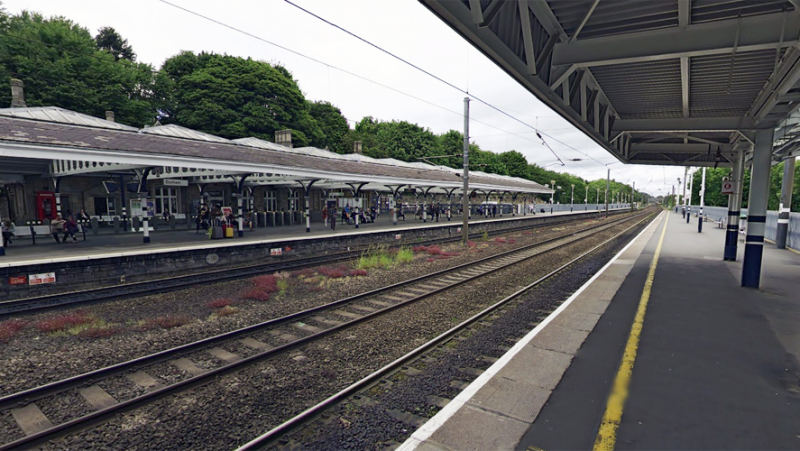
Works To Improve Durham Station Access Begin February 1st

Preliminary works which will pave the way for better links to Durham Station for cyclists and pedestrians are due to start on 1st February…


The £800,000 project – which includes a £600,000 funding award from the North East Local Enterprise Partnership (LEP) – will see access improved to allow people to reach the station more easily via paths alongside the A691 (Framwellgate Peth). With the station linking Durham City to the North East Main Line, the scheme will increase sustainable transport links as well improving access to key employment sites in Durham City and beyond, providing a boost to the local economy.

The improvements will see a new path constructed for bicycles and pedestrians on the north side, as well as a set of stairs. The existing footpath on the south side will be widened to accommodate cyclists as well.

To allow the main work to go ahead in the summer, preliminary work will take place for around four weeks, starting on Monday 1st February. As well as some ground investigation work, this will involve the removal of trees around the intended sites for the new and expanded paths. Following completion of the project, new trees and wildflowers will be planted around the new layout.

During the work, the path leading to the station from Framwellgate Peth will be closed, with signed diversions directing people to the station via North Road. The path alongside Framwellgate Peth leading down to Durham will also be closed on the north side, however the path on the south side will remain open throughout. Pedestrians and cyclists are encouraged to use designated crossing points and to allow extra time for their journeys.

Cllr Neil Foster, Durham County Council’s Cabinet member for economic regeneration and culture, said: “With Durham City the economic powerhouse for the county and the station being a key gateway to the rest of the country, we hope these improvements will benefit business, tourism and residents.”

“As well as making the station easier to access, we also hope these improvements will encourage more people to reach it by walking or cycling, meaning a double boost for healthier and more environmentally friendly travel. We’d like to thank the public for their patience while this work is carried out and the improvements are put in place.”

The project is funded by the North East LEP as part of the North East Growth Deal from Government. The Local Growth Fund supports major capital investments to promote innovation, economic and skills infrastructure and sustainable transport across the North East LEP area. The works have been planned in conjunction with Virgin East Coast as the station operator.

Paul Woolston, chair of the North East LEP, said: “A key pillar of the economic plan is continued investment in projects to help businesses grow and be accessible. Improved access to key transport links is an essential part of the plan, and this Growth Deal funding for Durham Station is the latest step in achieving this.

“Durham is a popular destination with locals and tourists alike. The development will help improve access to the city for visitors, as well as enhance commuter journeys for those living in and around the area. It’s a hugely positive move that benefits everyone.”
Alex Nelson’s Places To Go: Darlington

Stationmaster Alex Nelson has been suggesting places to go by train every month for ten years. This month, he’s headed to Darlington…


Over the past few decades, County Durham has been getting smaller. First of all, the county lost Gateshead, South Tyneside, Sunderland, Stockton and Hartlepool in 1974, followed by Darlington when it became a unitary authority in 1997.

With its population of over 100,000, Darlington is a town famous for many reasons, not least for the world’s first locomotive hauled railway service (from Stockton to Darlington) founded by Edward Pease and his business associates.

The company initially provided only the track, which was hired out to whoever wished to run a train, hauled either by horses or by steam. The transition to standard railway management was a gradual one, spurred on by frequent disputes between drivers over right of way, and by the dangers of the higher speeds of steam locomotives.

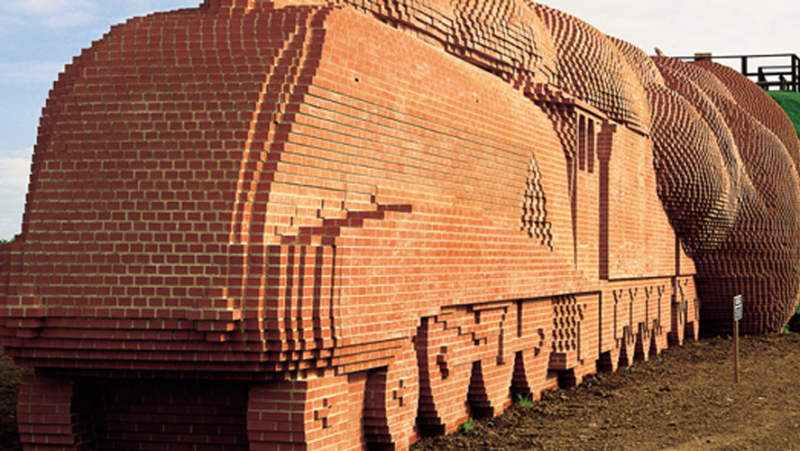
The town does have its own railway museum, but it’s been several years since I’ve visited, as opening hours are much reduced. This isn’t at the main Darlington station, sometimes known as Bank Top, but at the original station at North Road, a 20 minute walk north of the town. It’s the first stop on the branch to Bishop Auckland, which runs infrequently, but stops alongside the museum and the shed where the iconic new steam locomotive 60163 Tornado was built in 2008.

North Road Station Museum is known as the Head of Steam, and is open Wednesday to Sunday, 11am-3.30pm. There is an admission charge of £4.95, with reductions for concessions and children. The big problem it faces, however, is that despite being a very interesting museum and incorporating the fascinating Ken Hoole Study Centre, it is dwarfed by the National Railway Museum off-shoot at Shildon, just up the line, which is much larger and benefits from free admission.

The Shildon museum is where people tend to gravitate, but on a day trip to Darlington, it’s well worth a visit to the original.


The town centre contains many interesting alleyways (or vennels), particularly between the High Street and Skinnergate, which runs parallel to the west, away from the railway station. There are many independent shops and specialist cafes on these vennels.

My wife and I enjoy many of the shows at the Darlington Civic Theatre, which is a more intimate performance space than the likes of the Sunderland Empire or Theatre Royal in Newcastle. The theatre is also close to the railway station for a ride home afterwards, but requires careful planning of train times if you’re to avoid a long wait after the show.

Darlington is also an excellent place to change trains, having a flat floor plan with no bridges or subways between platforms. Watch the indicators, though! Whilst southbound trains routinely leave from Platform 1, northbound from Platform 4, and locals to Middlesbrough/Saltburn from Platform 2/3, these are prone to swap around from time to time.

I learned this the hard way when I foolishly directed a lady on her way to Whitby (via Middlesbrough) to wait with me on Platform 1 whilst her train gently slid out of Platform 4… and it was her last connection. I wrote an apology in the Whitby Gazette and it won Letter of the Week, but the memory still fills me with dread.

On the railway, I’m supposed to know what I’m doing…

Alex Nelson


[cwa id=’test’]

ADVERTISERS